Best quartz manufacturers for export quality: what global buyers should check
Sourcing engineered stone from overseas is straightforward on paper and unforgiving in practice. A small shift in shade between batches, a hairline warp across a long slab, or a missing compliance document can stall a container at port or hold up an entire commercial handover.
That is why distributors, importers and project specifiers look closely at how a quartz company actually makes its slabs before signing a supply agreement. This guide sets out what separates export-grade quartz slab manufacturers in India from commodity pressers, what certifications and technical specs to verify, and how Pacific Surfaces is built to meet international demand.
What defines an export-quality quartz manufacturer
Not every quartz slab is pressed to the same standard. Because engineered quartz is a manufactured product, its density,stain resistance and colour stability come down to four things on the factory floor.
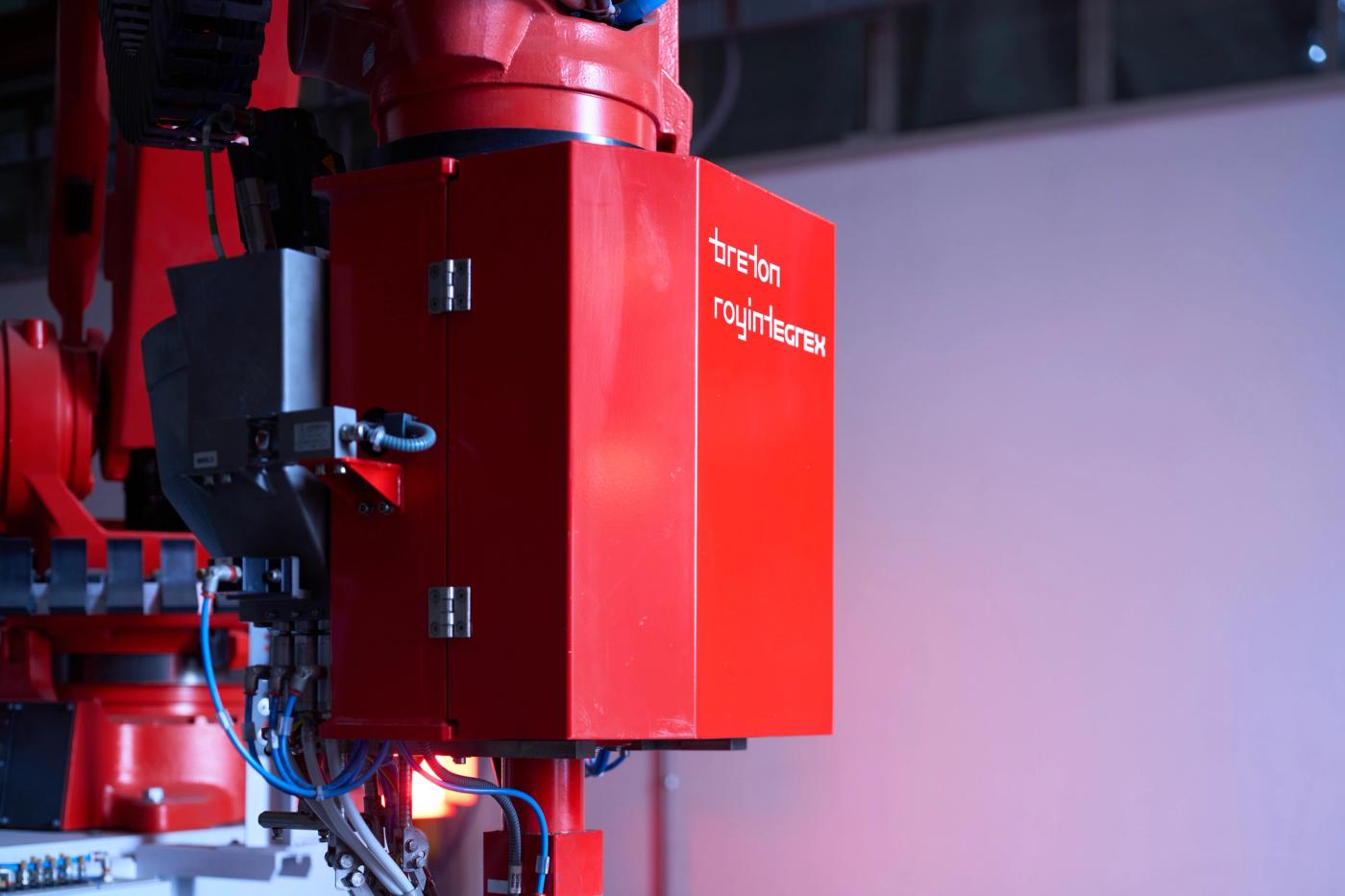
- Pressing technology. Vacuum vibro-compression under Italian Bretonstone technology remains the global benchmark for engineered stone. It removes trapped air during pressing, creating a dense, uniform slab with water absorption below 0.03% (EN 14617-1) and consistent thickness from edge to edge.
- Raw material purity. High-purity quartz stone (around 93% in standard formulations) paired with UV-stable polyester resins prevents yellowing, resin pooling and weak spots along cut-outs.
- Automated calibration and polishing. Manual finishing leaves subtle waves that show up the moment a slab is installed under kitchen downlights or used for quartz wall cladding. Fully automated calibration lines keep tolerances tight across every batch.
- Shade and batch consistency. Commercial hospitality projects and large residential developments often order across multiple containers. Export-ready quartz countertop manufacturers track raw-material lots and spectrophotometric colour readings so container ten matches container one.
Certifications that clear customs and commercial specs
Any factory can claim its quartz engineered stone countertops are export grade. Third-party certificates are how importers,architects and regulatory bodies verify it.
When evaluating quartz slab suppliers for Europe, North America, the Middle East or Australia, ask to see current,verifiable certificates for:
- Food contact safety: NSF/ANSI 51 confirms the surface is safe for direct food preparation in residential kitchens,restaurants and hotels.
- Indoor air quality: Greenguard Gold verifies low chemical and VOC emissions, which is frequently required for schools, healthcare facilities and green-building tenders.
- European conformity: CE marking demonstrates compliance with EU health, safety and environmental protection standards.
- Quality management: ISO 9001:2015 confirms documented, repeatable quality control across production and dispatch.
- Sustainability and transparency: An Environmental Product Declaration (EPD) gives architects and green-certified developments verified lifecycle data.
- Specialised market requirements: Kosher certification and documented stain-resistance testing (such as ASTM C1378) answer specific commercial and residential buyer questions up front.
If buyers or end customers ask whether a quartz countertop is safe, having these certificates on file removes guesswork during specification and customs clearance. Our guide to the standards behind Pacific Quartz explains how each test works and how to verify a certificate yourself.
Slab formats, consistency and low-silica readiness
International markets have shifted rapidly over the past few years in two areas: larger slab dimensions and stricter workplace silica regulations.
Fabricators in Europe, the US and the Middle East increasingly prefer larger formats to reduce waste and eliminate visible joints on islands and waterfall edges. A standard slab often forces a seam on a 3-metre island or a wide vanity.
Checking the available quartz slab size early prevents surprises at the quoting stage. Pacific Surfaces produces a super jumbo quartz slab measuring up to 137 × 79 in (3,500 × 2,050 mm), in 12 mm, 20 mm and 30 mm thicknesses. That gives distributors flexibility across quartz kitchen countertops, quartz bathroom vanity top runs, feature walls and cut-to-size commercial projects.
Low-silica and zero-silica compliance
Crystalline silica dust during fabrication is now heavily regulated in several major export markets, with Australia banning high-silica engineered stone and stricter occupational limits taking hold across Europe and North America.
Export-focused manufacturers have responded by developing low silica quartz and zero-silica mineral surfaces. Pacific Surfaces' Ecosurfaces range is engineered with premium and recycled minerals and tested by SGS for crystalline silica content, giving distributors a future-ready product line that protects fabricators without sacrificing stain or scratch resistance. Read more about how Ecosurfaces are made and tested.
Design range that travels across markets
Export buyers rarely want a single look. A distributor serving both residential showrooms and commercial fit-outs needs core staples alongside architectural statement pieces.
- Pure whites and subtle neutrals. White quartz remains the highest-volume staple across global markets for modern kitchens and hospitality builds.
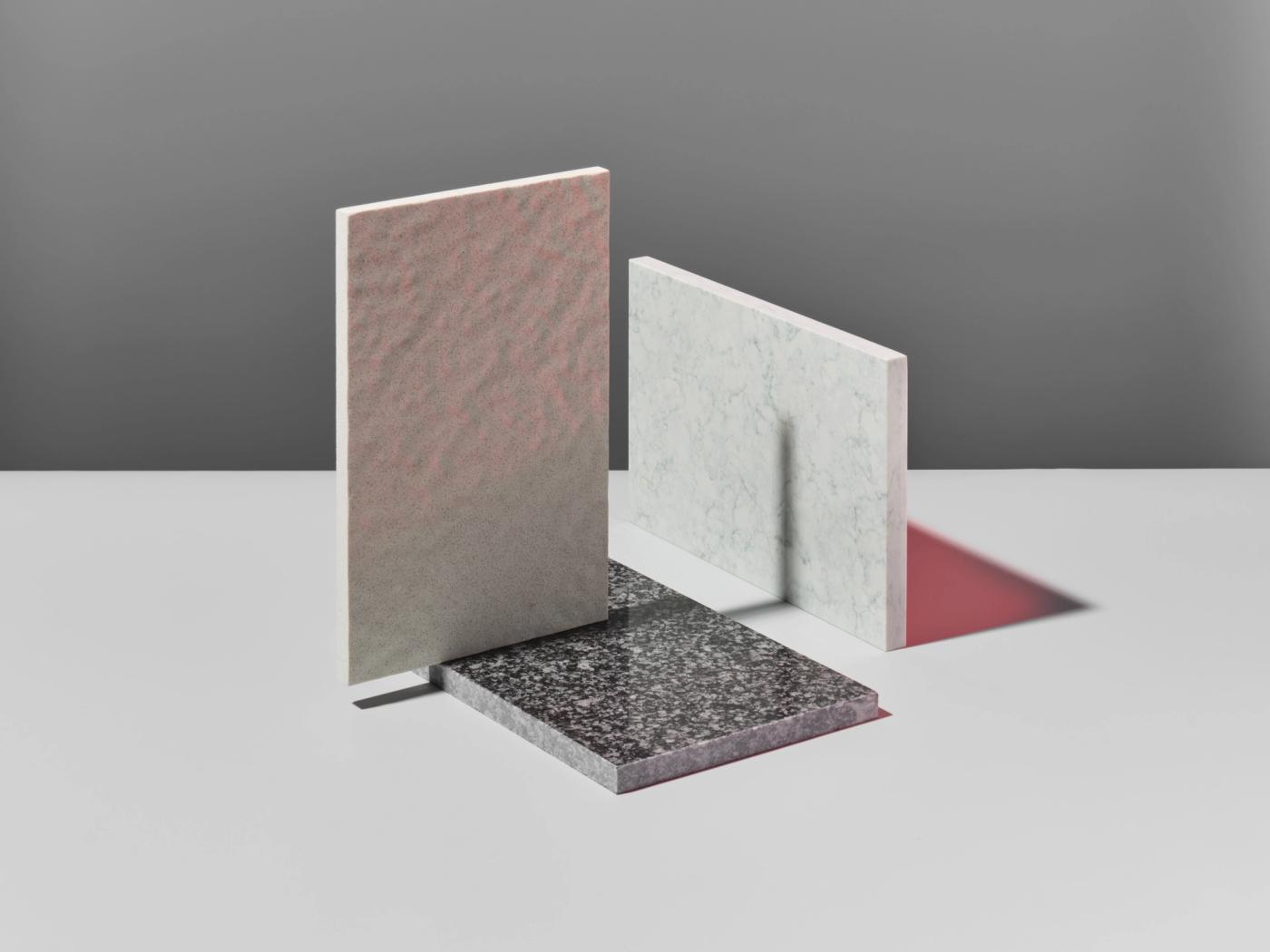
- Calacatta, Carrara and statuario looks. Veined marble quartz offers the visual depth of Italian marble without the etching, staining or sealing requirements. Through-body veining and consistent book-matching matter most here.
- Finishes beyond polished. Matte, suede and velvet finishes are increasingly specified for contemporary European and North American interiors. Our guide to quartz finishes room by room compares how each surface performs in daily use.
- Project-ready components. Beyond full slabs, export buyers often look for cut-to-size fabrication, integrated sinks and standardised formats such as our quartz window sill and threshold collection.
Having a single partner who also operates as a reliable granite supplier adds further value for distributors stocking both engineered stone and natural stone for outdoor kitchens and facades. You can browse our full quartz and granite portfolio on the Pacific Surfaces products page.
Logistics, capacity and export track record
Production quality only gets you halfway; supply-chain reliability is what keeps a distributor's warehouse stocked. Before committing to a factory, check three operational realities:
- Annual capacity. Small plants struggle when a large hospitality or multi-family order overlaps with regular distributor demand. Look for automated capacity that can absorb peak seasons without slipping lead times.
- Packaging and container loading. Export slabs travel thousands of miles by sea. Fumigated, reinforced A-frames,proper moisture protection and balanced weight distribution inside 20-foot containers prevent transit breakage.
- Active export footprint. A manufacturer already shipping regularly to strict markets knows how to handle export documentation, HS codes, packing lists and regional compliance.
How Pacific Surfaces supports international buyers
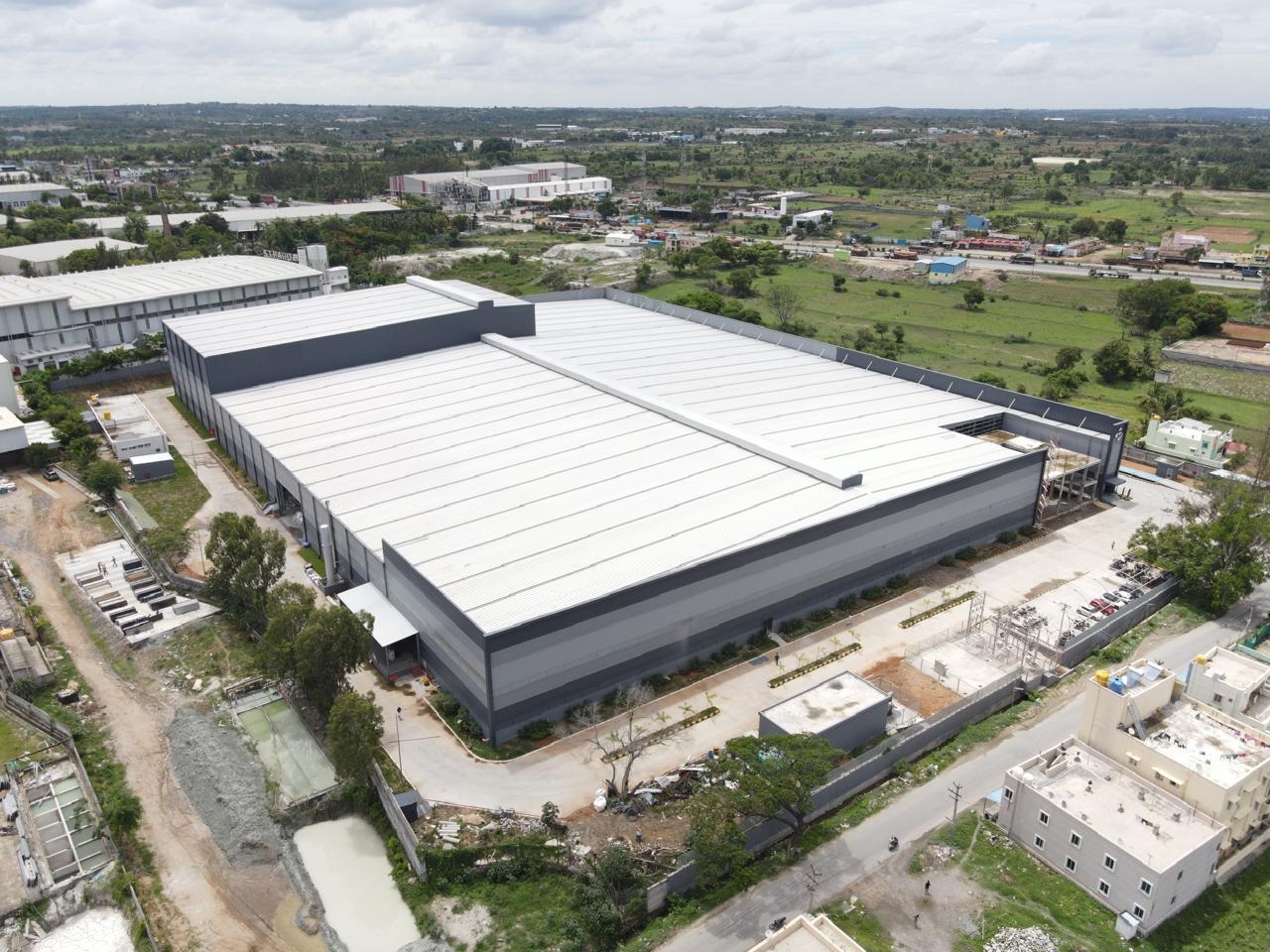
Pacific began in natural stone in 2000, started exporting in 2011, entered engineered quartz in 2018, and commissioned a 470,000 sq ft, fully automated Bretonstone plant in Hosur, Tamil Nadu in 2023. The facility runs in part on 2 MW of solar power and a wind turbine, with an annual capacity of up to 12 million sq ft of quartz and 4.8 million sq ft of granite.
Today, Pacific Surfaces exports quartz slabs to more than 45 countries. To shorten lead times for European partners, we opened the Pacific Polska warehouse in Poland in late 2024, alongside dedicated regional teams supporting Europe and the Middle East.
Every export shipment is backed by full documentation—NSF/ANSI 51, Greenguard Gold, CE, ISO 9001:2015, Kosher and EPD—along with SGS-tested low silica quartz options under Ecosurfaces. You can download brochures, test reports and specification guides directly from our technical resources library.
Checklist for vetting a quartz export partner
Before placing a trial container order with any quartz slab manufacturers in India, ask five direct questions:
- Do you own and operate your own Bretonstone pressing lines, or do you outsource slabs?
- Can you share current copies of your NSF/ANSI 51, CE, ISO 9001:2015, Greenguard Gold and EPD certificates?
- What is your maximum slab size and thickness tolerance across 12, 20 and 30 mm?
- Do you offer an independently tested low-silica or zero-silica range for regulated markets?
- What is your standard lead time from order confirmation to port dispatch, and how do you handle batch-to-batch shade matching?
If you are evaluating quartz slab suppliers for your market, get in touch with our export and distribution team to request technical data sheets, compliance certificates or sample boxes—or schedule a visit to our Hosur plant and experience centre.