Pacific Ecosurfaces: safe by design, from our factory to your kitchen

At Pacific, we have spent more than 25 years making stone surfaces, first natural granite and then engineered quartz. Along the way we asked a simple question: could we make a surface that is as beautiful and hard-wearing as quartz, but safer for every person who handles it, from our own factory floor to the fabricator who fits it in your home? Ecosurfaces are our answer.
This is the story of what Ecosurfaces are, how we make them in Hosur, and why they are safe in your kitchen.
Why we created Ecosurfaces
Standard quartz engineered stone countertops are made mostly of crushed natural quartz stone, which is crystalline silica. When a slab is cut or polished without proper dust control, that silica becomes airborne, and breathing it in over time can cause silicosis. Our guide to low-silica quartz explains the risk in more detail.
We changed the recipe. Ecosurfaces are made with our own hybrid formulation that blends premium minerals, quartz and recycled glass. The result is a slab with far less crystalline silica than standard quartz, or none at all, that still looks and performs like the Pacific surfaces our customers know.
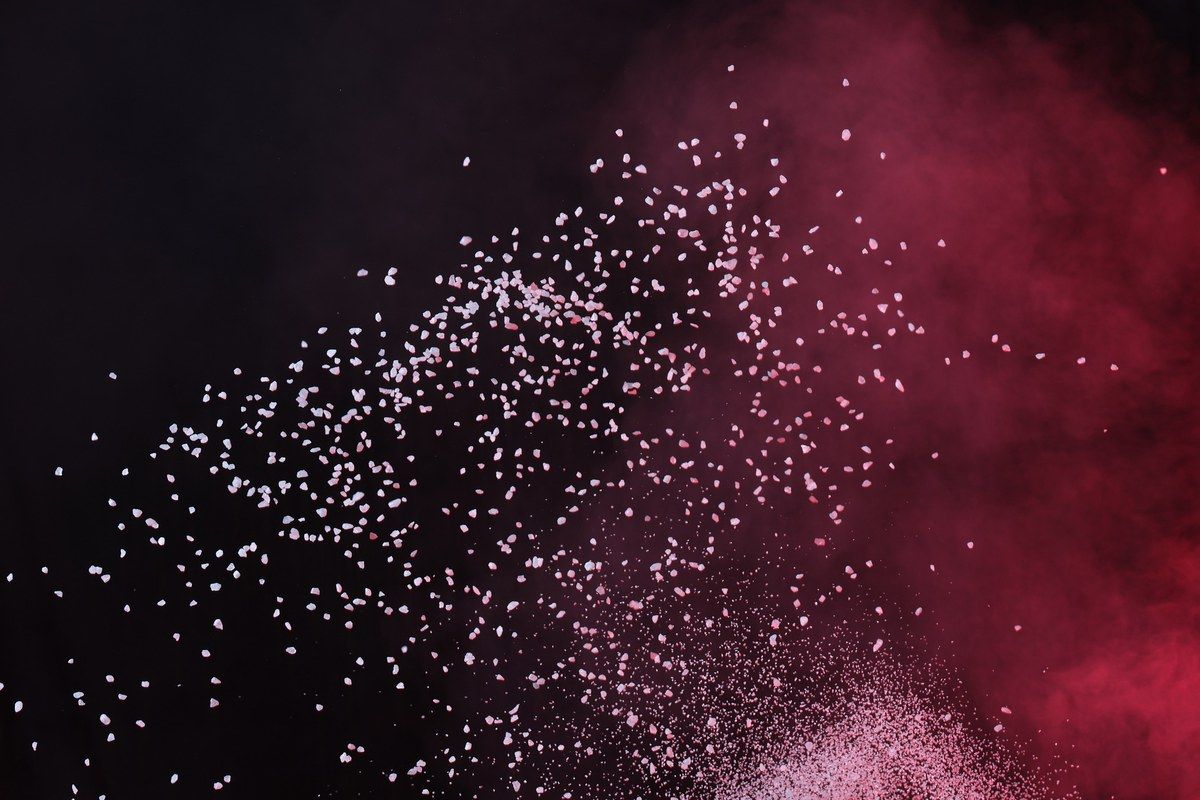
Zero silica and low silica options
The Ecosurfaces range comes in two types.
Zero-silica surfaces are made without crystalline silica, removing the risk of silica exposure for the people who fabricate and install them.
Low-silica surfaces contain some silica, but well below industry safety thresholds. They suit projects where a small amount of silica is acceptable but needs to be kept to a minimum.
Both are made to the same standard of finish and durability as the rest of the Pacific range.
How we make Ecosurfaces
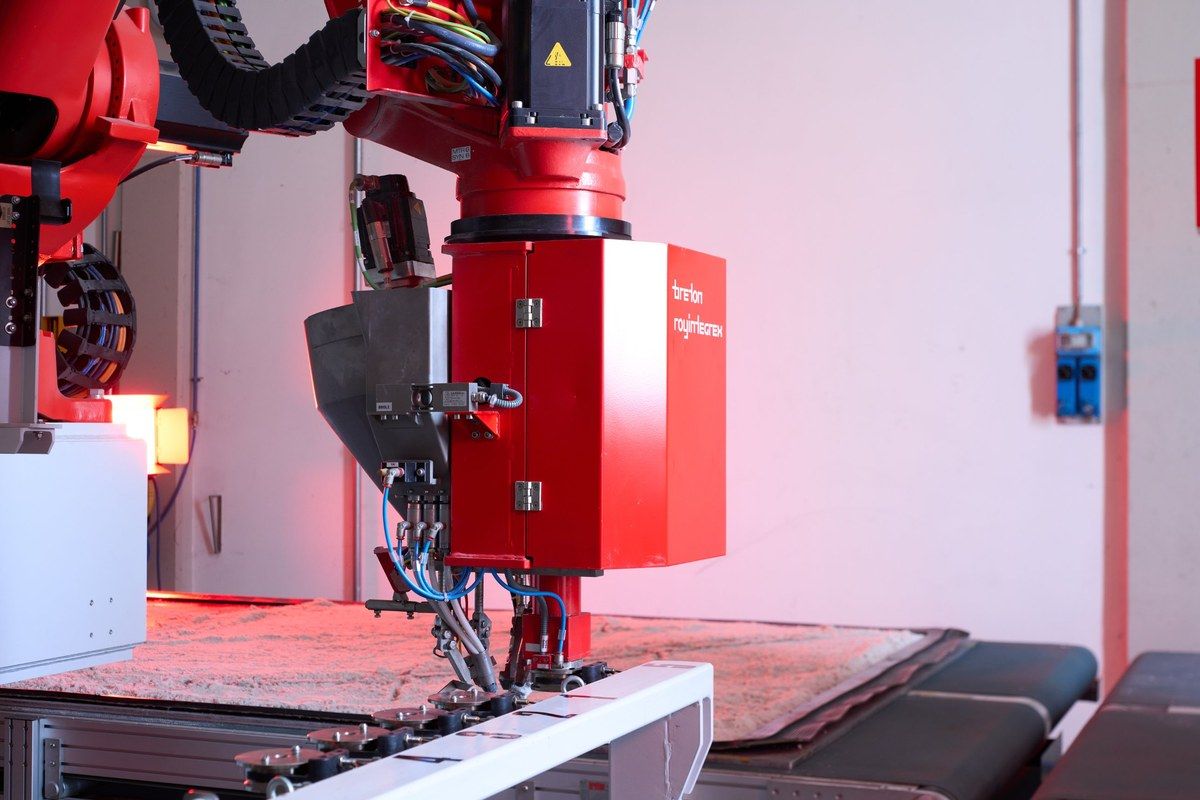
Every Ecosurfaces slab is made in-house at our plant in Hosur, Tamil Nadu, using Italian Breton technology. We don't buy slabs from other factories and put our name on them. We control each step ourselves.
- Choosing the minerals. We select premium minerals, quartz and recycled glass for the hybrid formulation, measured to keep crystalline silica content low or at zero.
- Mixing and dosing. The minerals are blended with a small amount of resin and pigment, and Breton's robotic dosing equipment lays the mix into the mould to form the pattern.
- Pressing under vacuum. The slab is compacted by vibration under vacuum. Pressing out the air gives a dense surface with no pores, so stains sit on top and wipe away.
- Curing. The slab is cured until it is hard and stable.
- Calibrating and polishing. Each slab is ground to an even thickness and finished to the polish or texture of its design.
- Testing. The crystalline silica content of Ecosurfaces is tested by SGS, the international testing and certification company, so the claim on the label is checked by someone outside Pacific.
Safe in your home, safer to make
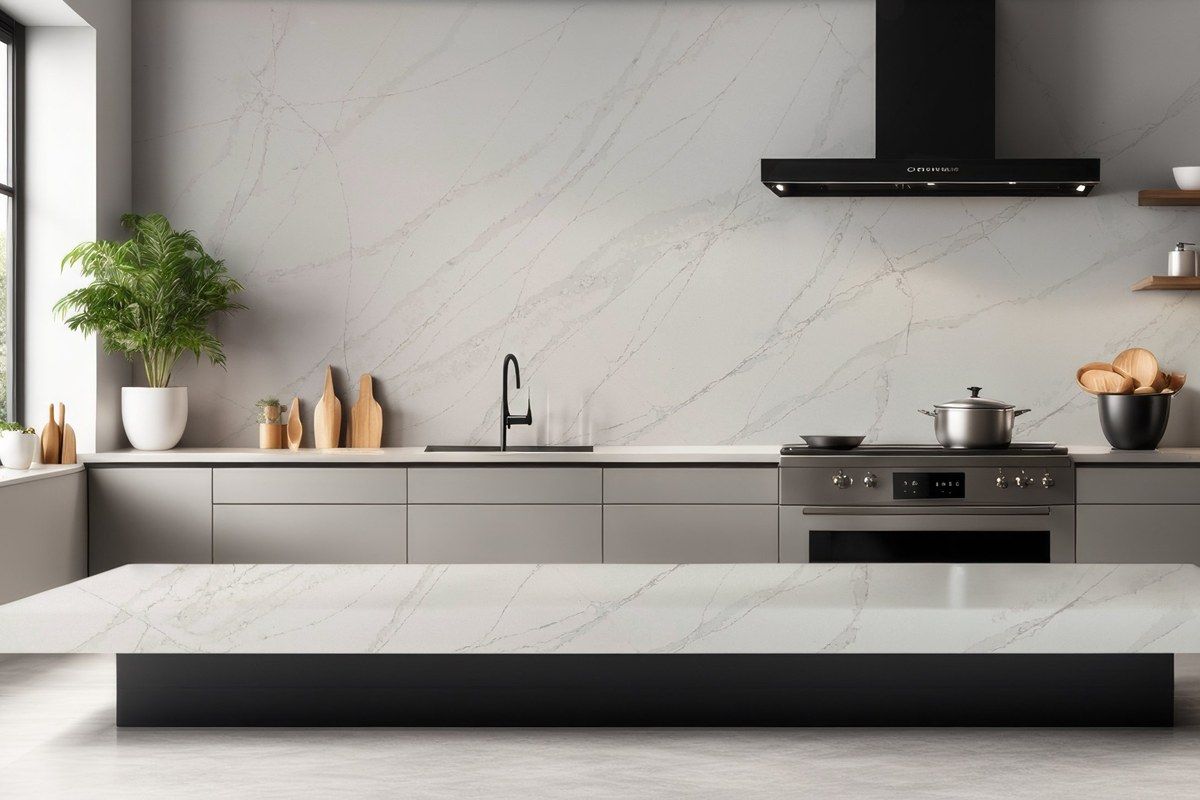
In your kitchen, an Ecosurfaces counter is safe to live with every day. A finished, installed surface gives off no silica dust when you cook on it, wipe it or eat at it, and its non-porous surface is easy to keep hygienic.
The bigger difference is in how it is made and fitted. Because the slab carries little or no crystalline silica, cutting and polishing it is far safer for our own team in Hosur, for fabricators in their workshops and for installers working in your home. That is the change we set out to make.
Tested and verified
A low-silica claim is only worth something if someone independent has checked it. The crystalline silica content of Ecosurfaces is tested by SGS, the international testing and certification company. Pacific's engineered surface technology also has a verification statement from DNV, confirming that it meets environmental standards while keeping the same performance, durability and resistance across the full Pacific portfolio.
When you compare quartz slab manufacturers in India on silica, ask who tested the slab and whether you can see the report.
Recycled materials
Recycled glass is part of the Ecosurfaces formulation. Using it in place of some of the quartz lowers the silica content and puts material that would otherwise be waste to use. For architects working on projects with sustainability targets, that gives a quartz-look surface with a lower environmental footprint.
Ecosurfaces designs
The range includes designs such as Glacial Silver (3059) and Coastal Pearl (5007), and you can see the current list on our Ecosurfaces page. They are finished and fabricated like any Pacific quartz slab, so you can choose edges, thicknesses and finishes in the same way.
Where to use Ecosurfaces
Ecosurfaces work anywhere you would use quartz countertops:
- Kitchen countertops and islands, where most of the cutting for sink and hob openings happens.
- A quartz bathroom vanity top, where the surface needs to resist water and soap.
- Quartz wall cladding and backsplashes, where large panels are cut to fit around sockets and windows.
- Commercial kitchens, hotels and offices, where projects often have health and safety requirements for site work.
Our kitchens and bathrooms pages show how Pacific surfaces are used in finished spaces.
Living with Ecosurfaces
Once installed, Ecosurfaces are cleaned and cared for like any quartz slab. Wipe with a few drops of neutral soap on a damp microfiber cloth, use a trivet under hot pans, and keep bleach and steel wool off the surface. Our care guide covers the routine.
Is a quartz countertop safe once it is in your kitchen? Yes. Any finished counter, standard quartz or Ecosurfaces, gives off no silica dust in everyday use. The difference Ecosurfaces make is during cutting, polishing and fitting, and again if the counter is ever modified or removed.
Who Ecosurfaces are for
For homeowners, choosing low silica quartz means the people building your kitchen work with a safer material, and any cutting done inside your home creates far less harmful dust.
For architects and designers, Ecosurfaces give a tested, verified option for projects with health, safety or sustainability requirements.
For fabricators, they reduce silica exposure in the workshop and on site. Dust control, water-fed cutting and proper masks are still good practice with any stone, but the material itself carries far less risk. If you're a homeowner searching for quartz slab fabricators near me, ask whether they work with low-silica slabs.
See Ecosurfaces in person
As a quartz company that makes its own slabs in Hosur, we developed Ecosurfaces because we think the people who make and fit our surfaces deserve a safer material. To see the range, find a dealer near you or request samples. Fabricators, architects and trade buyers can get in touch with us directly.