Fluted quartz: what fluting is and how it changes a room
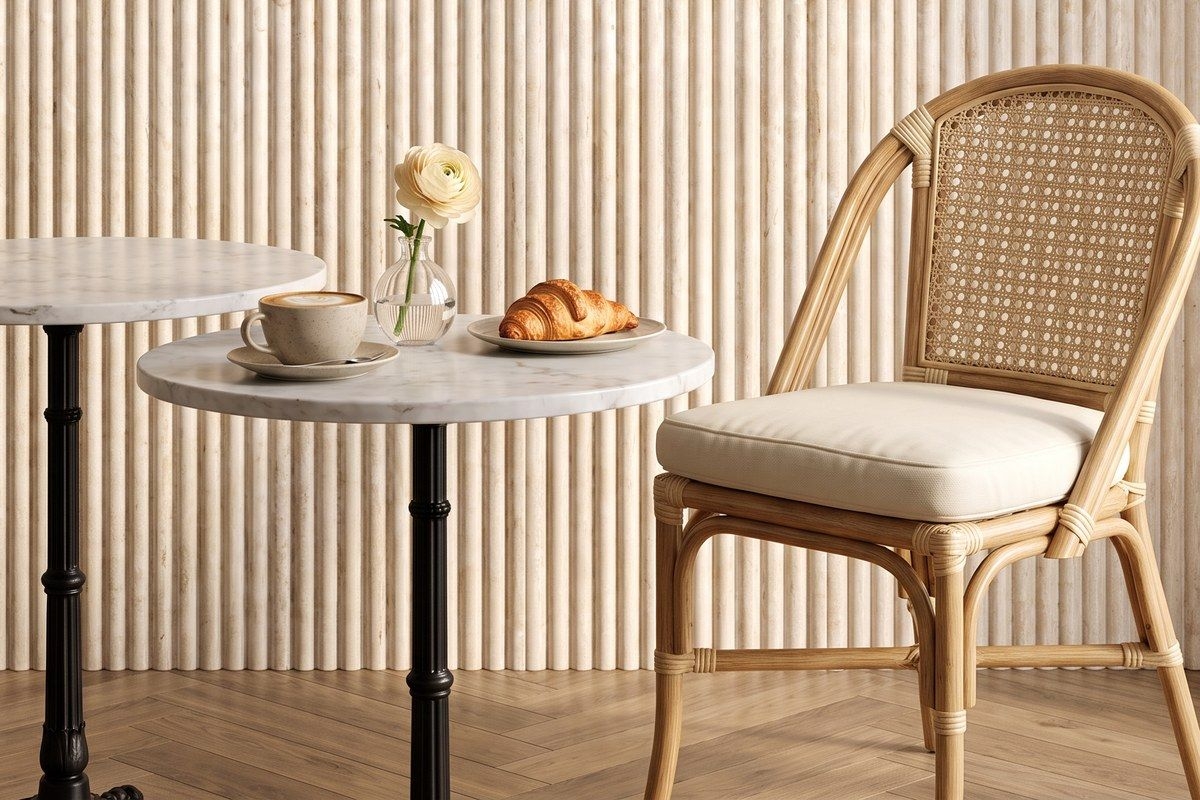
A flat wall can be a beautiful colour and still look flat. Fluting fixes that. Cut a row of grooves into the surface and the wall starts to hold light and shadow, changing through the day as the sun moves.
At Pacific we now cut fluting into quartz. This guide covers what fluting is, why quartz suits it, and where it works best in a home or a commercial space.
What is fluting?
Fluting is a pattern of narrow, parallel grooves running along a surface, usually vertically. It goes back to the columns of ancient Greek and Roman buildings, where shallow channels were carved down the length of stone pillars to make them look taller and catch the light.
Strictly speaking, fluting means concave grooves cut into the surface, and reeding means the opposite: rounded ridges standing out from it. In interiors today, most people call both fluting, and the panels in the photos here, with their soft, rounded ribs, are what designers usually mean when they ask for fluted stone.
Why quartz suits fluting
Fluting needs a material that cuts cleanly and holds a crisp profile. A Pacific slab is about 93% quartz, one of the hardest minerals in nature, so each rib keeps its shape and resists chips and scratches in daily use.
The pattern also stays consistent. Our quartz slabs are made to a set design, so panels cut from different slabs line up without a visible change in colour or veining. On a wall several metres wide, that matters.
Then there is upkeep. Quartz engineered stone is non-porous, and Pacific quartz does not stain. Fluted wood or plaster can absorb marks and need resealing or repainting. Fluted quartz wipes clean, which makes it practical in a kitchen, a bathroom or a busy café.
How fluting changes a room
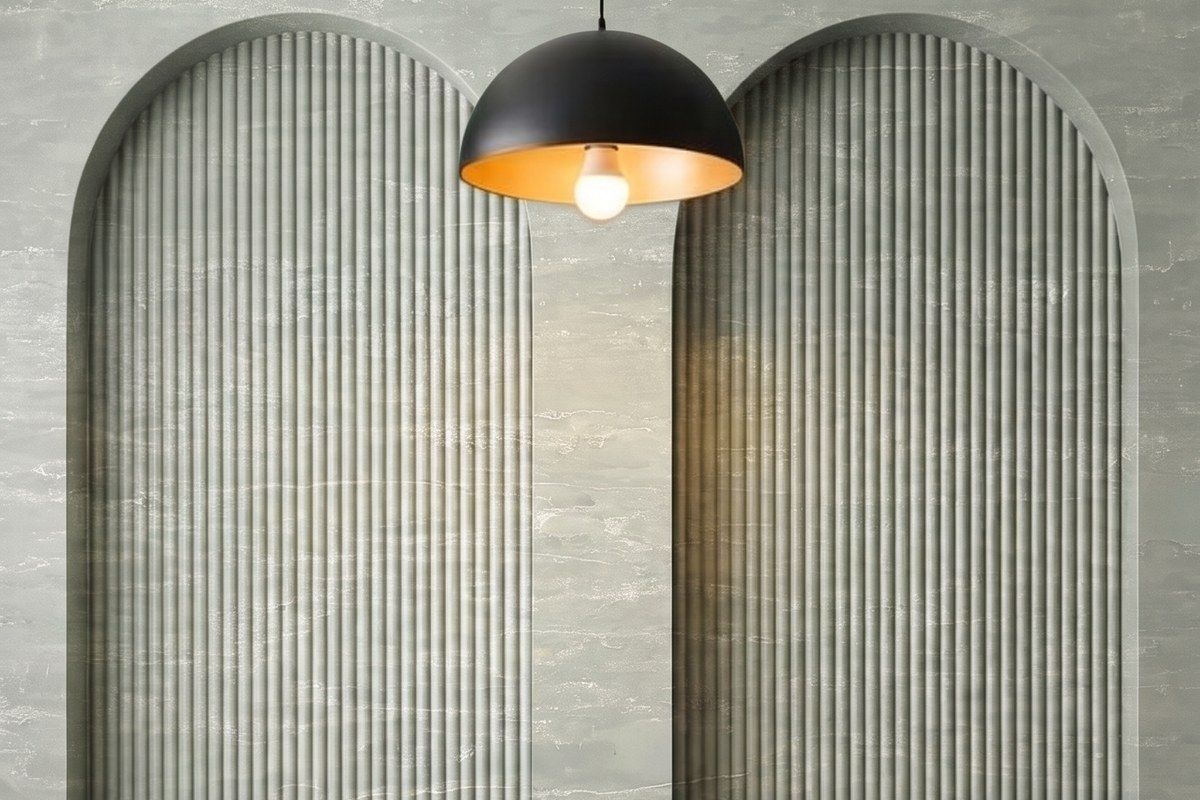
The first thing fluting adds is shadow. Each rib catches light on one side and throws a thin line of shade on the other, so a plain colour gains depth without any added pattern. Under a pendant or a wall washer the effect is strongest, and in daylight it shifts from morning to evening.
The second is height. Vertical lines draw the eye upwards, which is why fluting on a wall can make a room with an average ceiling feel taller.
The third is touch. A fluted surface invites a hand across it in a way flat stone doesn't, and in quartz it feels cool and smooth rather than rough.
Where to use fluted quartz
Feature walls and arches
A single fluted wall behind a sofa, a bed or a reading chair is the simplest way to start. Setting fluted panels into arched niches, as in this sage green scheme, frames the pattern and gives a calm, gallery-like feel. Our architecture page shows more ways quartz is used on walls.
Kitchen islands
A fluted front on a kitchen island turns the side people see first into a feature. Pair it with flat kitchen quartz countertops on top in the same colour, so the island reads as one solid piece. It works in a quartz kitchen of any size, and the fluting hides small scuffs from feet and bar stools better than a flat panel. See our kitchens page for layouts.
Shower walls and bathroom vanities
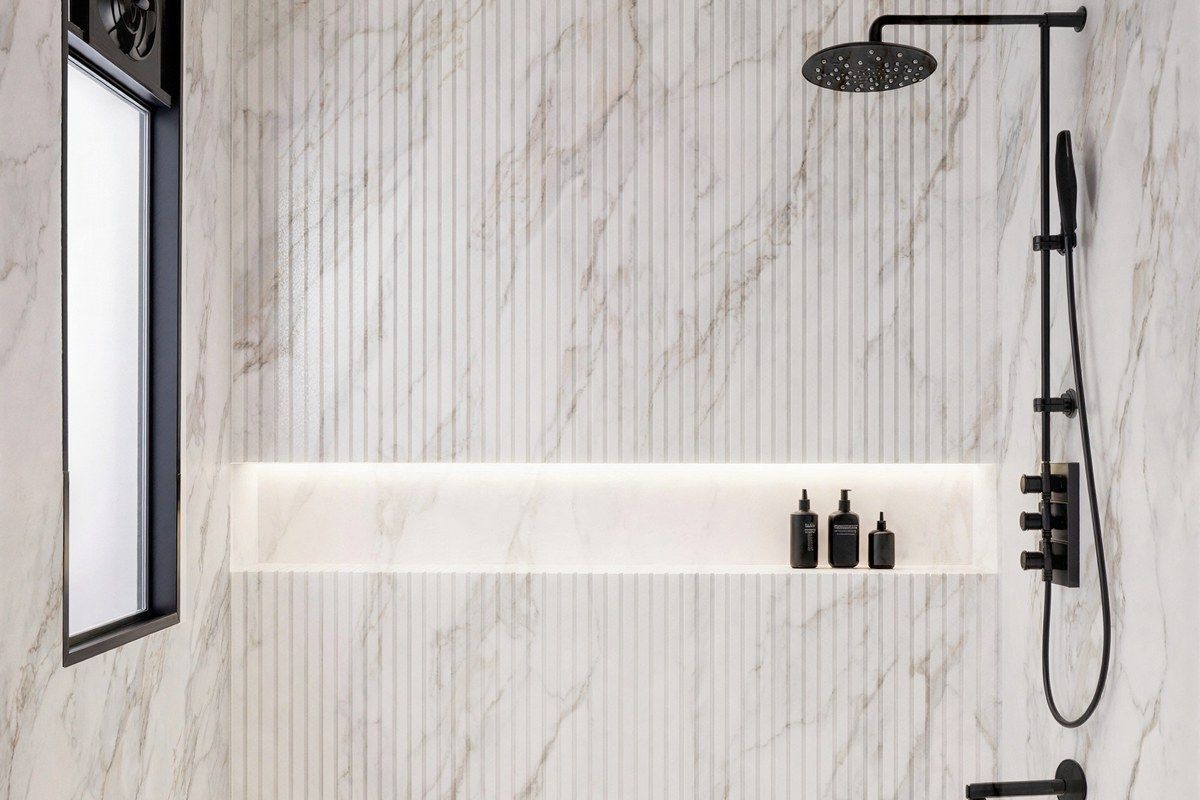
In a shower, a fluted back wall turns the plainest surface in the room into the main feature. In this bathroom, a marble-look fluted wall sits between flat slabs of the same design, so the veining runs on from the side walls into the fluting. A lit niche cut across the middle breaks up the ribs and gives a place for bottles. Because quartz is non-porous, water and soap don't soak in, and large panels mean far fewer grout lines than tiles.
The same idea works on a smaller scale on the front of a vanity, below a smooth top. Quartz handles the moisture, and our bathrooms page shows how vanities and walls come together.
Cafés, bars and reception counters
In hospitality, fluting gives a space a signature look that photographs well. A fluted bar front or reception desk stands up to daily traffic, and a fluted wall behind café seating, like this warm beige one, makes a small room feel considered. Our hospitality page has more projects.
Headboards and TV walls
A fluted panel behind a bed or a television gives the wall a focal point without shelves or artwork. Because quartz doesn't need repainting, it keeps its look for years in a room you use every day.
Choosing a colour
Fluting shows best on lighter and mid-tone quartz, where the shadow between ribs stands out clearly. Warm beiges and creams give a soft, relaxed look that suits living rooms and cafés. Muted greens and greys feel calmer and more architectural, and they sit well with natural wood and stone. On a very dark slab the ribs read more subtly, which can be the right choice if you want texture without a strong pattern.
If the fluted panel sits next to a counter or vanity top, choose the same design for both. Because quartz is made to a set design, the colour will match across the flat and fluted pieces.
Caring for fluted quartz
Fluted quartz needs the same care as any quartz surface, with one extra step for the grooves. Dust can settle in the channels, so run a soft, dry brush or a microfiber cloth down them now and then, following the direction of the ribs. For marks, use a few drops of neutral soap on a damp cloth, then wipe dry. Avoid steel wool and harsh chemicals. Our quartz care guide covers the full routine.
Seeing it in person
Fluting depends on light, so it is worth seeing in person before you decide. Look at a sample under the kind of lighting your room will have, and from the angle you'll see the wall from most often. For more ideas on where quartz can go in a home, read the best ways to use quartz in modern home interiors.
To talk through a fluted wall, island or counter, find a dealer near you or get in touch with us directly, as the quartz company that makes and cuts the slab.